
The Coming Debt Crisis in Japan
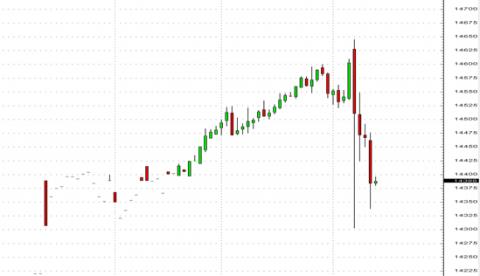
In 1992 Japan’s real estate bubble popped. The Nikkei dropped 75% off its highs and the commercial real estate market dropped 85% from peak to trough. What did Japanese policy makers do in response? They lowered interest rates to zero, launched round after round of “Quantitative Easing” (monetization of debt), spent large amounts of yen in a series of economic stimulus measures, and amassed government debt to do it. Is this story sounding familiar yet?
How much debt did Japan accumulate? There are many ways to evaluate sovereign debt. Japan has government debt equivalent to 235% of its GDP. The more telling statistic in Japan is that total government debt sits at 23 times central government tax revenue. It is important to study what Japan got for all the Keynesian stimulus measures. All that spending and all that debt surely produced economic growth right? Wrong. The Japanese economy is exactly the same size now as it was in 1992. The never ending government spending and borrowing has not worked. It is my opinion that Japan will never pay this debt back. It is my opinion that Japan will have a very painful restructuring (default) of its government liabilities.
Why should the situation in Japan matter to investors around the world? Remember when Greece went through its debt restructuring? The United States stock market came under real pressure two summers ago as Greek bond markets swooned. Greece has the same GDP as the state of Indiana. Greece simply does not matter. Japan matters. Japan is the 3rd largest economy in the world. A debt crisis there will sent bond and equity markets reeling. It is my opinion that having some position short the Japanese Government Bond market is a hedge against some very difficult times coming in the global economy.
Why should investors sit up and take notice now? April 4, 2013 will be an important date to remember in financial history. The Bank of Japan (BOJ) has embarked on a financial experiment that could put the Japanese on a collision course with default. The BOJ announced an aggressive attempt to generate 2% inflation and has committed itself to doubling the monetary base over the next 2 years. To put it mildly, this is madness. Has anyone stopped to consider what the Japanese central bank is doing with this strategy? The BOJ intends to weaken the yen by buying Japanese assets including bonds farther out on the yield curve than the 5 year limit previously set. The yen should and is weakening severely. The yen is roughly 30% off its highs versus the US dollar since November and some large investors like George Soros are warning of an “avalanche” of yen hitting the market. Now ask yourself two simple questions. Why would a bond holder be willing to accept a 10 year bond that pays a .50% interest rate if there is an inflation target of 2%? Why would a bond holder be willing to lend the government money at .50% if he is going to be paid back in a devalued currency? Well it is my opinion that market sentiment changed on April 4, 2013. When all that bond buying was announced, it would seem logical that bond prices rallied right? Government buys bonds = bond prices go up. Well, the Japanese Government Bond market is trading sharply BELOW levels they were trading at before the BOJ announcement. Something has changed!!!
Why do I think this is the most spring loaded situation in the financial landscape today? Consider this. Japan spends roughly 30% of its central government tax revenue on debt service (interest on debt). If interest rates rise just a little bit, then interest expense exceeds tax revenue. Think about what you would do if the interest payment on your credit cards was higher than your income. What would you do? There is a term for that situation. It is called bankruptcy. Japan is literally a 250 basis point move in its cost of capital from being in that situation. It is my opinion that Japan is the next BIG SHORT.


